Me&co: Designing for the Socio-Emotional Side of Learning

This project, which forms a core part of my PhD research, explores a significant gap in Computer-Supported Collaborative Learning (CSCL): the lack of tools designed to support the socio-emotional dynamics of group work.

The Problem: A Missing Layer of Communication

Collaborative group chats are a fundamental part of modern education, but they often fall short. They provide the same interface for a 1-on-1 conversation as they do for a group of five, treating every message as a simple transaction of information. This design overlooks a crucial aspect of successful collaboration: the socio-emotional layer. In the physical classroom, students rely on subtle cues—tone of voice, facial expressions, body language—to navigate disagreements, provide encouragement, and build a sense of shared purpose. In a typical chat interface, these cues are absent, leading to misinterpretations, conflicts, and a breakdown of group cohesion.

Furthermore, these tools offer almost no “affordances”—the design features that communicate how a user can interact with an object—to support this emotional side of collaboration. Existing solutions for group learning often focus on managing the academic or “cognitive” tasks, but they fail to recognize that a group’s emotional state is just as vital for productivity. When group members struggle with communication, motivation, or conflict, the entire learning process can stall. My research sought to change this by designing a tool that provides explicit support for the emotional side of group work.

A strong group identity is also essential for effective collaboration. When students feel a sense of belonging and shared purpose, they are more likely to contribute and overcome challenges together. My work addresses the need for a tool that not only supports individual expression but also fosters a collective identity, making it easier for students to feel like part of a cohesive team.

My Approach: Design-Based Research (DBR)

To tackle this challenge, I adopted a Design-Based Research (DBR) methodology, an iterative approach that combines the rigorous analysis of academic research with the practical, problem-solving mindset of a designer. This process involved two main iterations of development, testing, and refinement, all with the goal of creating a prototype that was not only theoretically sound but also genuinely useful and engaging for students.

My prototype, Me&co, was a communication tool designed specifically for teenage students working on real school tasks. I aimed to fill the gaps in the existing literature by testing the tool in a natural, unsupervised setting. This was a deliberate choice, as many previous studies had only examined socio-emotional dynamics in specific, supervised moments. My goal was to see how students would use the tool in their daily collaborative flow.

The Design Decisions and Features

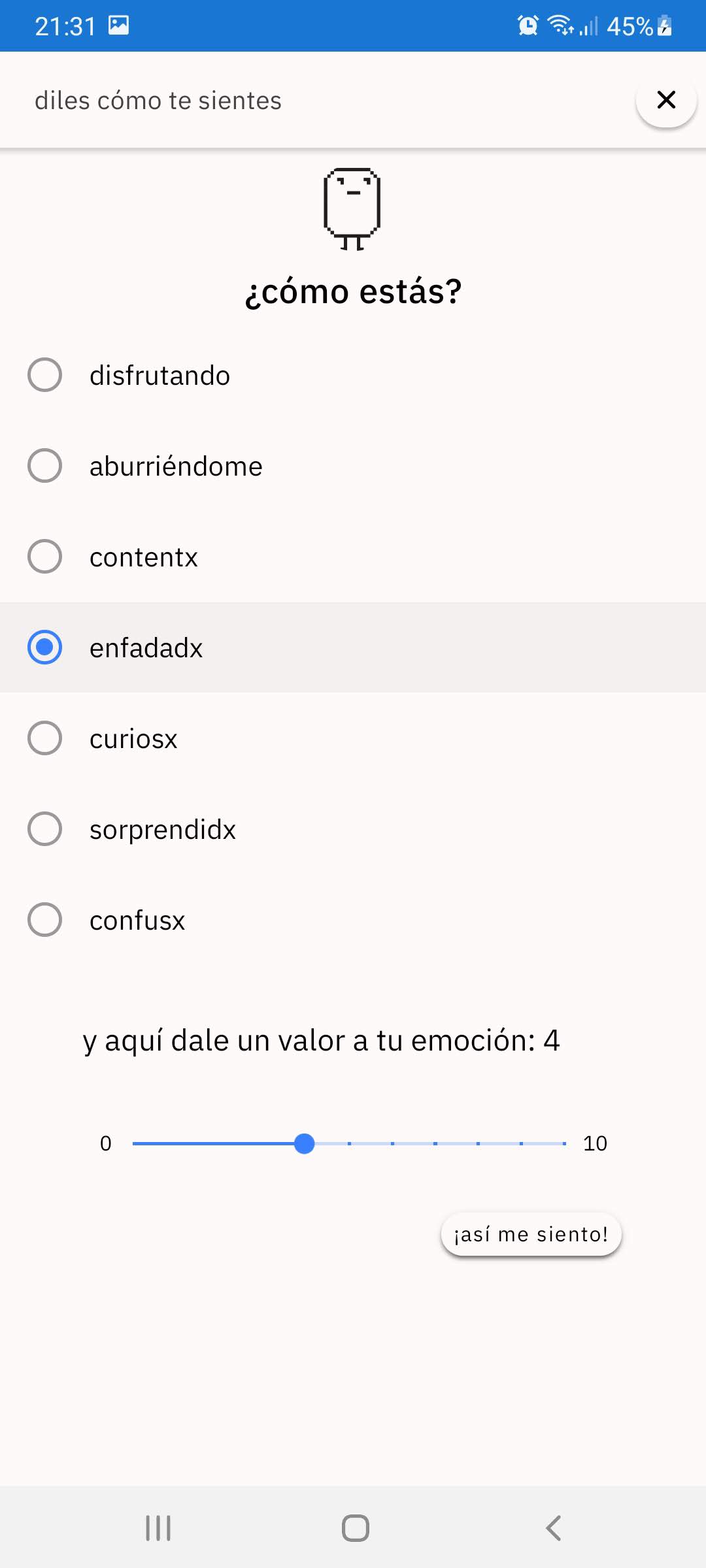
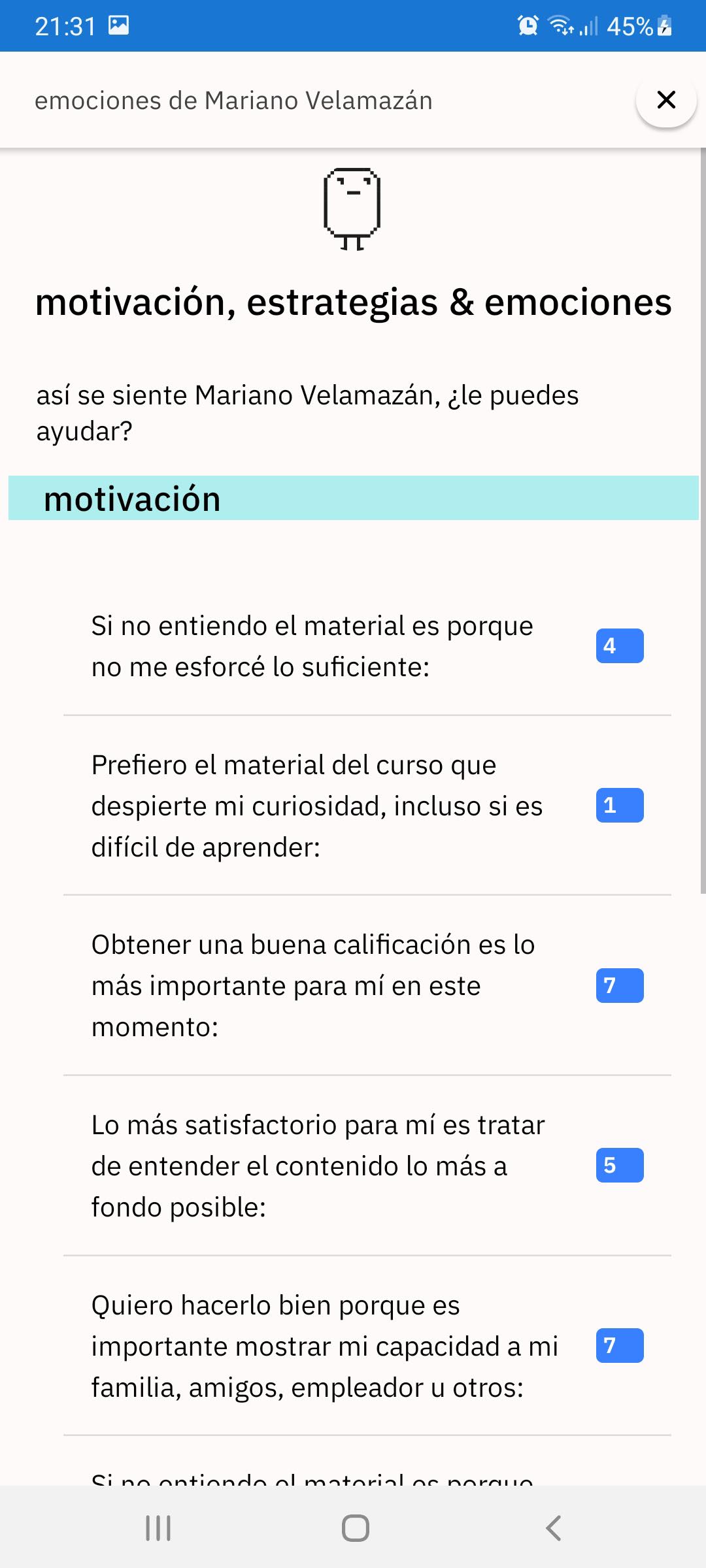
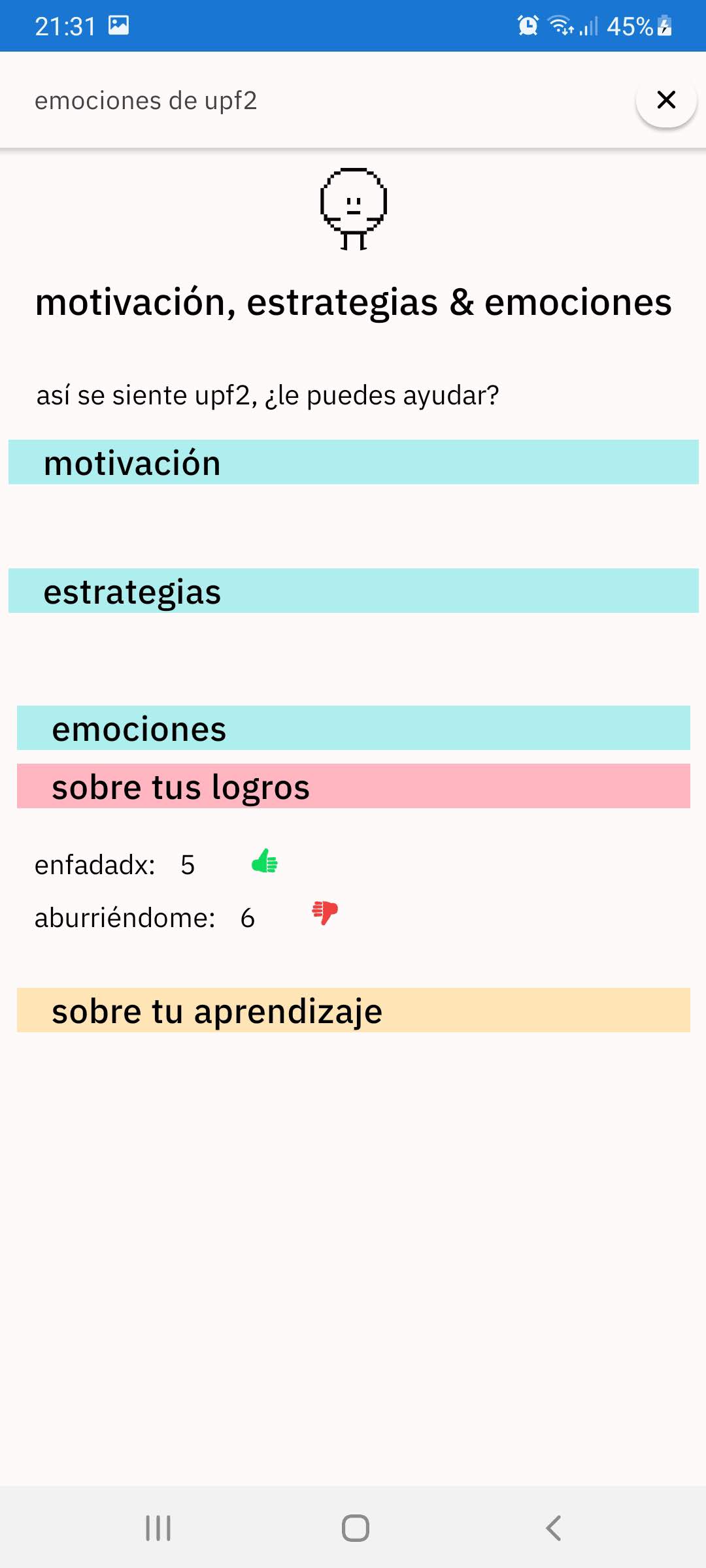
Based on my research, I focused on creating specific features with social and hedonic affordances—features that promote positive, enjoyable interactions. The goal was to make the tool a desirable alternative to standard communication apps. Some of the key features included:

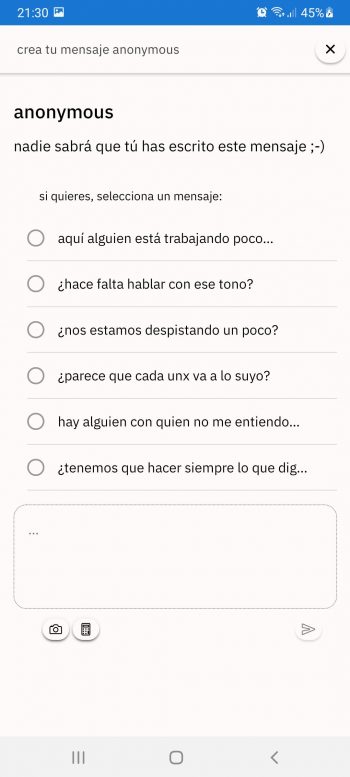
Anonymous Messaging: This feature allowed students to post comments or questions to the group without revealing their identity. This was designed to encourage more open participation, especially from shy or less-confident students, and to make it easier to address sensitive topics.

Screenshot_20220415-213056_Chrome

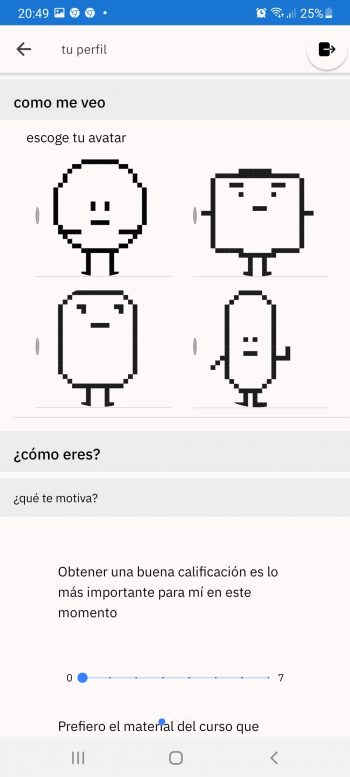
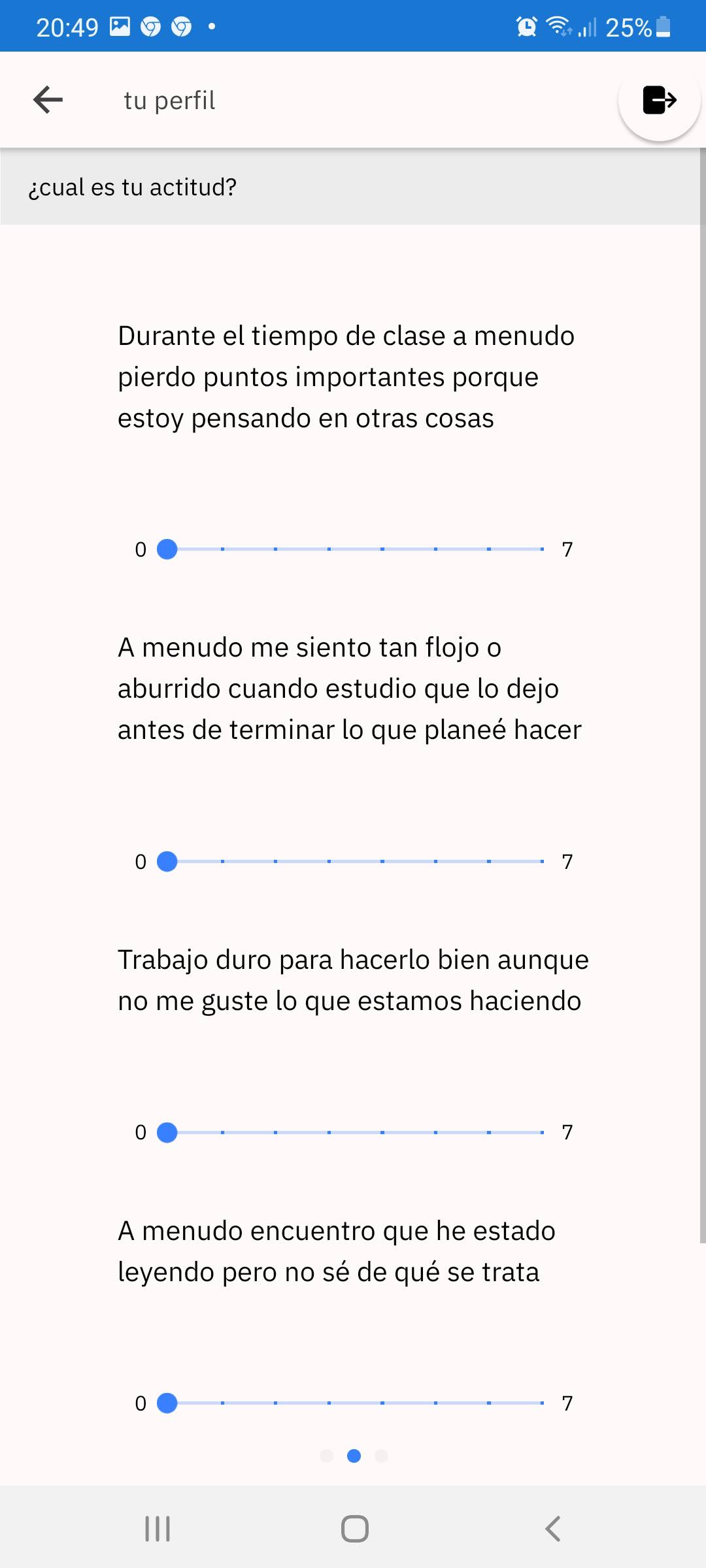
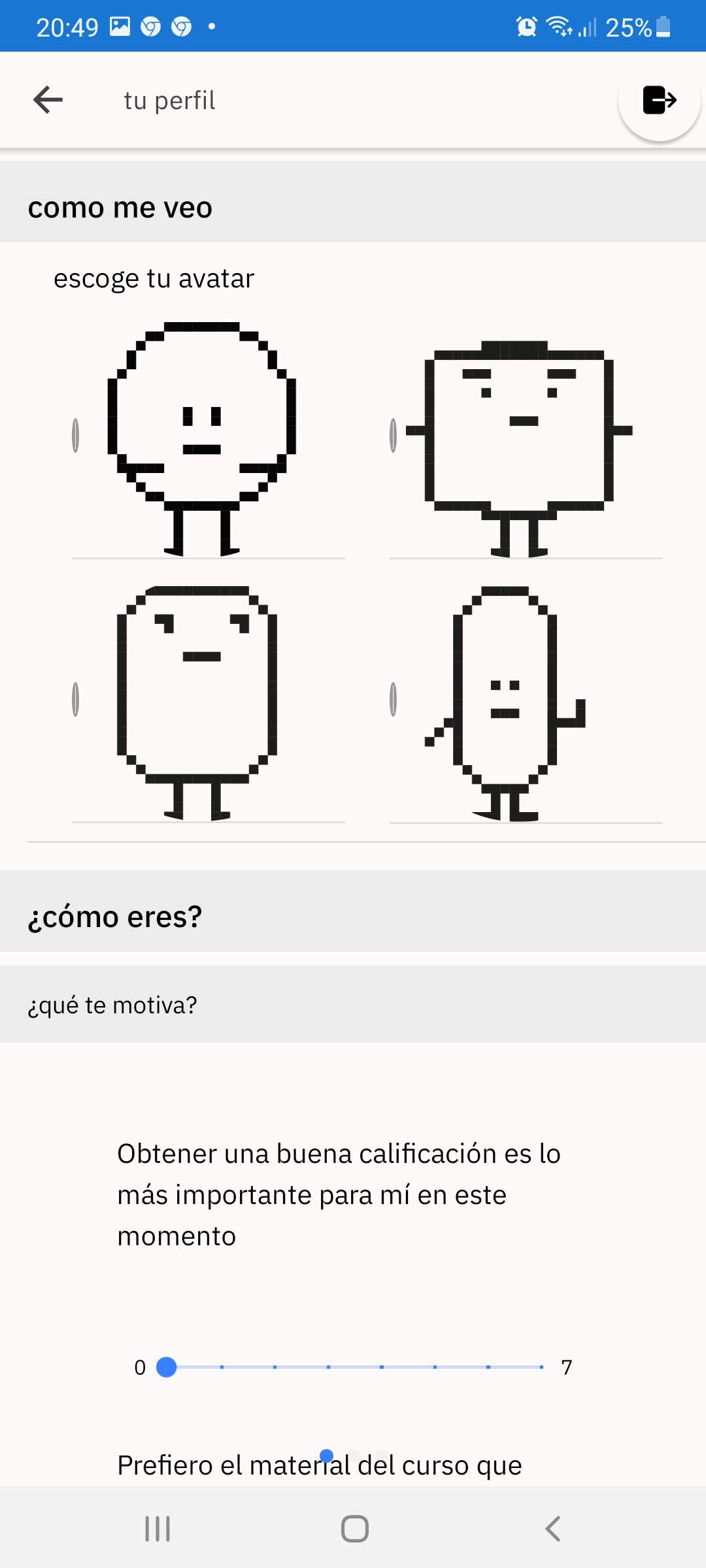
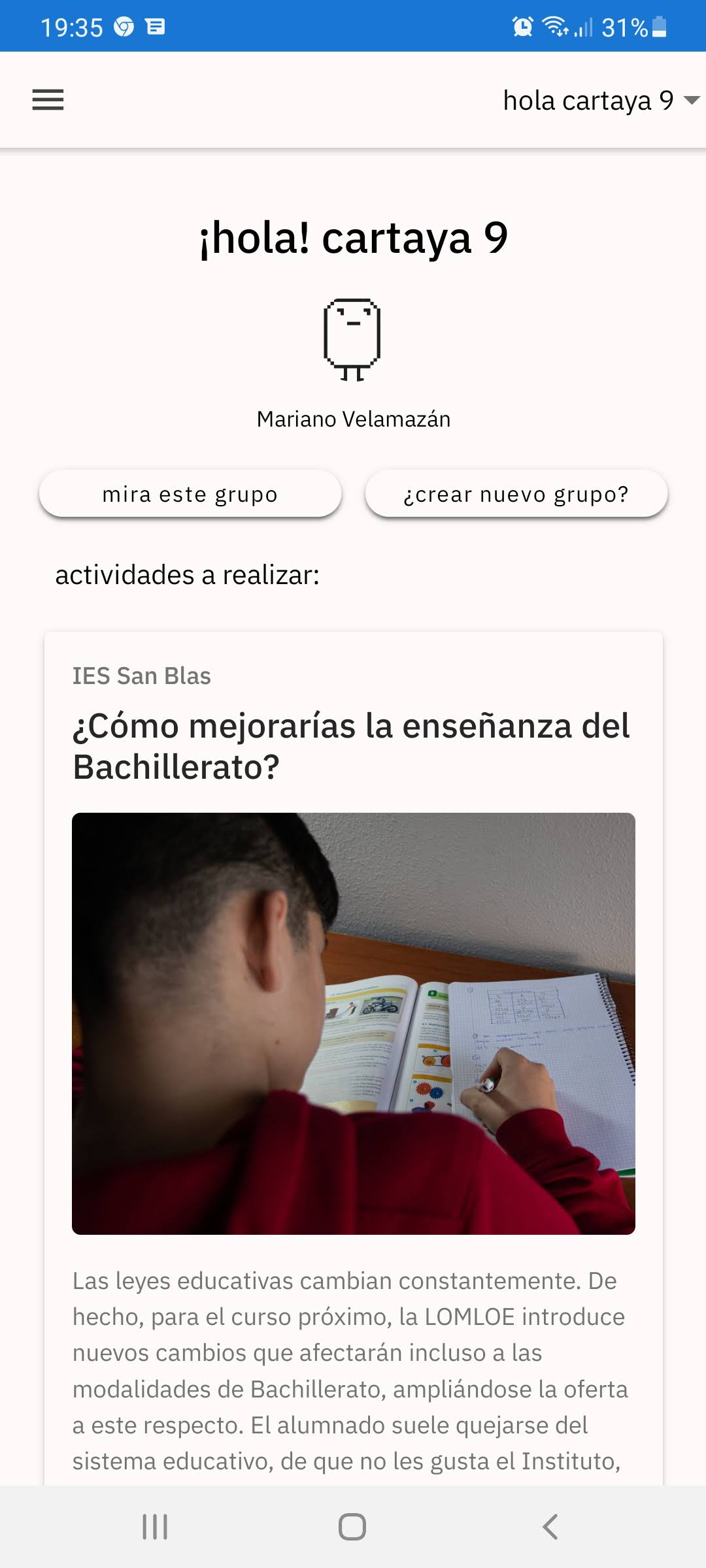
Avatar Selection: I provided a wide range of customizable avatars. This feature was intended to address the concept of “social presence,” allowing students to project a persona and feel more comfortable and unexposed in the online environment, similar to what we see in video games and social media.

Screenshot_20220415-204938_Chrome

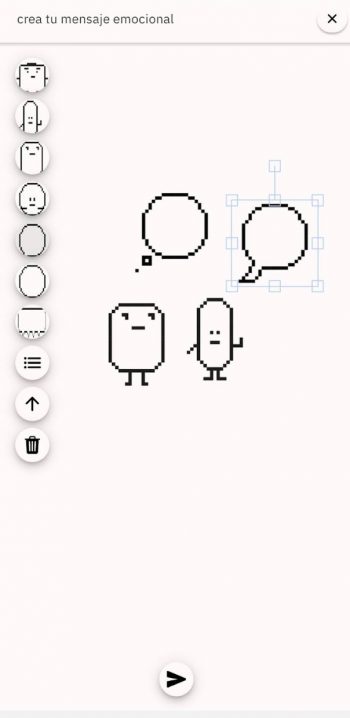
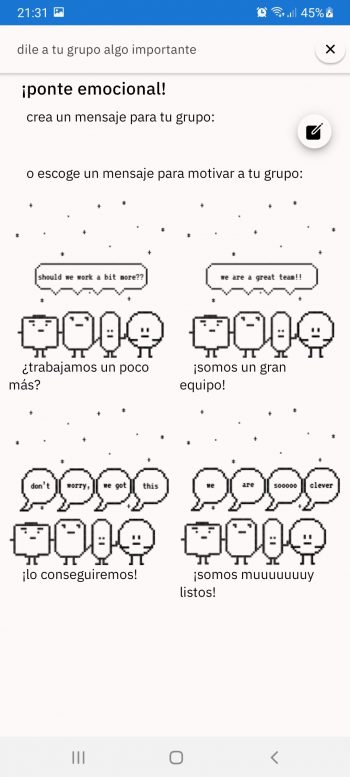
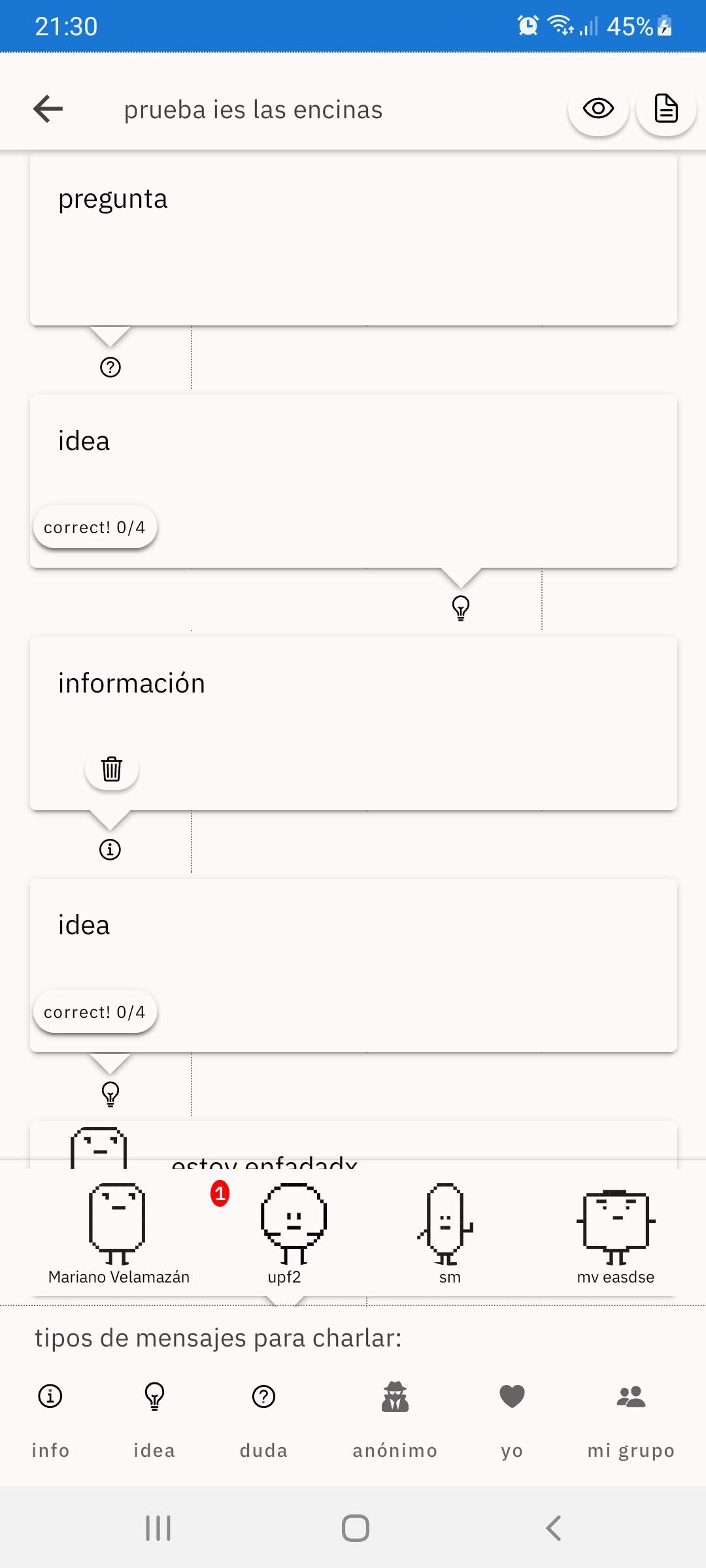
Visual Message Composer: This tool allowed students to create visually rich messages using different fonts, colors, and layouts. The idea was to provide a more expressive way to communicate, going beyond simple text to convey emotion, tone, and emphasis.

messages composer
Screenshot_20220415-213118_Chrome

Results and Reflections

The results of the two testing iterations provided valuable insights. Surveys and interviews with students (n1=42,n2=64) revealed that the anonymous messaging, avatar selection, and visual composer were the most useful and popular features. Students appreciated the ability to communicate more openly and express themselves in a fun, creative way.

Interestingly, students who already knew each other well from class felt these features were less necessary, while those who were new to their groups found them highly valuable. This suggests that the tool is particularly effective at helping to establish early group cohesion and identity. The findings confirm that while we cannot force a change in students’ habits, a well-designed tool with appealing features can inspire new behaviors and provide crucial support for socio-emotional challenges, especially when groups are forming.

A Reflection on Design Research

This project highlighted the inherent tension between design and traditional research. Design, as a form of inquiry, moves from the general to the particular, creating knowledge through the development of specific, usable tools. This is a contrast to the scientific method, which seeks to establish universal, abstract principles. DBR, as a methodology, attempts to bridge this gap, aiming to create both actionable knowledge and a deeper understanding of how people learn.

In this research, I embraced a mixed-methods approach, combining quantitative surveys with qualitative interviews and conversation analysis. While some might consider this “unscientific,” I believe this eclectic strategy provided a more holistic view of the phenomenon. The surveys told me what features were preferred, the interviews explained why, and the conversation analysis validated these findings in a real-world context. This approach was essential for understanding the complex interplay between students, technology, and the social environment.

My experience with Me&co also brought to light a critical insight: simply providing a tool is not enough to change entrenched behaviors. The “inherited culture” of the classroom—the established relationships and norms—is powerful. The decision to test the prototype without direct teacher supervision, while bold, showed that students in an informal context may not take the tool seriously or may use its features for entertainment rather than productive learning. This underscores the need to consider the broader context of learning, including the roles of teachers, students, and the institutional structure itself.

Based on this experience, I offer a set of recommendations for future educational designers and researchers:

Integrate educational theory: Ground your design decisions in learning theories, such as scaffolding and distributed cognition.

Leverage HCI concepts: Use principles like affordances, feedback, and gamification to create intuitive and engaging tools.

Consider the full context: Recognize the influence of the learning environment (school, home, museum, etc.) and all involved actors (teachers, parents, administrators).

Embrace design methods: Incorporate design-specific methods like participatory design and cultural probes to gain a deeper understanding of your users’ experiences.

Align theory and practice: Clearly articulate how your design decisions are informed by a combination of educational theory, cognitive psychology, and interaction design concepts.

Ultimately, this project shows that we need to better combine the theories of educational sciences with the practical concepts of interaction design. We need to create tools that are not just theoretically sound but are also so creative and imaginative that they truly resonate with students, empowering them to change their learning behaviors for the better.


About me

Contact

Hi, I am an intreaction designer with a background in Computer Science and Visual Communication. Research through design, ethnography design and participatory design are my main methods of working.

I have a passion for designing learning experiences <nd making visible the invisible.

hi@marianovelamazan.com